Braveo AVL Network

MD Events Asia: Two Decades Behind Major Events and Landmark Moments

A Braveo Venue & Provider Feature From concert stages and international motorsport events to landmark launches and government summits, MD Events Asia works in environments where preparation, technical expertise and execution must come together. Based in Kuala Lumpur, the company brings two decades of experience to event management and technical production. Its work spans concerts, sporting events, international government programmes, premium brand experiences and major public occasions, supported by event consultancy, agency partnerships and a 24 hour dry hire service. For MD Events Asia, every project starts with understanding what the event needs to achieve, then bringing together the people, equipment and planning to make it happen.

MD Events Asia: Two Decades Behind Major Events and Landmark Moments Read More ยป

Best Practices in Event Production and Video Production

Best Practices in Event Production and Video Production

Successful event production and video production require meticulous planning, effective communication, and agile execution. One of the first best practices is to establish clear objectives for your event. Understanding the purpose and goals of the event allows you to tailor the audiovisual elements and ensure they align with the desired outcomes. This initial step sets the tone for all subsequent planning. Another critical aspect is to invest time in pre-production activities. This includes creating detailed timelines and checklists to outline the various technical requirements needed for sound and video production. Additionally, conducting rehearsals with the entire crew helps identify potential areas of concern and allows for adjustments well before the actual event. These rehearsals are paramount in ensuring that all audio-visual equipment, including microphones, cameras, and lighting, are functioning optimally. Real-time adaptability during an event is equally essential. Event production often does not go as planned; having a skilled sound engineer and video technician who can make on-the-fly adjustments is crucial. This agility can significantly enhance audience engagement and the overall quality of the event. Moreover, seamless coordination among different teamsโ€”such as those handling sound, visual effects, and video recordingโ€”can lead to a more coherent execution. Regular communication and clearly defined roles help mitigate any misunderstandings that might arise in these high-pressure environments. Finally, post-event evaluation is a key practice that should not be overlooked. Gathering feedback from attendees and the production team can provide valuable insights for future events. Assessing what worked and what didnโ€™t is essential for continuous improvement in both event production and video production. By adhering to these best practices, one can streamline processes and enhance the effectiveness of audiovisual elements during events. Related reading Video Production: Bringing Stories to Life Key AVL Equipment for a Corporate Event How to Choose the Right Visual Equipment for Your Event Ready to get started? Browse the Pro Shop, explore Pro Hire options, or request a quote.

Best Practices in Event Production and Video Production Read More ยป

Innovations in Live Event Technology

Innovations in Live Event Technology

The landscape of live event technology has been dramatically transformed in recent years, primarily due to advancements in audio visual technology. As audiences increasingly seek immersive experiences, tools such as projection mapping and interactive displays have taken center stage. Projection mapping allows event organizers to transform everyday surfaces into dynamic visual canvases, engaging attendees in a captivating way. This technique can be utilized to create elaborate backdrops that interact with presentations or branding, effectively enhancing the overall narrative of the event. Moreover, interactive displays have gained popularity for their ability to facilitate real-time engagement among attendees. These screens provide interactive elements, allowing participants to connect with the content more meaningfully. Whether itโ€™s through touchscreens presenting information or augmented reality experiences, live events are being transformed into interactive arenas where locality meets technology. For example, using apps that encourage audience involvement during presentations fosters collaboration and feedback, making attendees feel valued and heard. The seamless integration of multimedia systems is another critical aspect of modern live event technology. By harmonizing audio, video, and lighting, event planners can deliver a cohesive experience that aligns with the thematic elements of the occasion. This technological amalgamation ensures that messages are conveyed effectively, maintaining a clear narrative throughout the event. The adoption of advanced tools for synchronization across multiple platforms ensures that all attendees, whether physically present or attending virtually, receive the same high-quality experience. The evolution of audio visual technology continues to shape live events, creating opportunities for enhanced attendee interaction and leaving lasting impressions. As these innovations evolve, they promise to redefine audience engagement strategies, ultimately leading to memorable experiences that resonate long after the event has concluded. Related reading Projection Mapping: Transforming Spaces with Visual Art The Role of LED Displays in Modern Events Interactive Displays: Engaging Audiences in Real-Time Ready to get started? Browse the Pro Shop, explore Pro Hire options, or request a quote.

Innovations in Live Event Technology Read More ยป

The Importance of Lighting Design in Events

The Importance of Lighting Design in Events

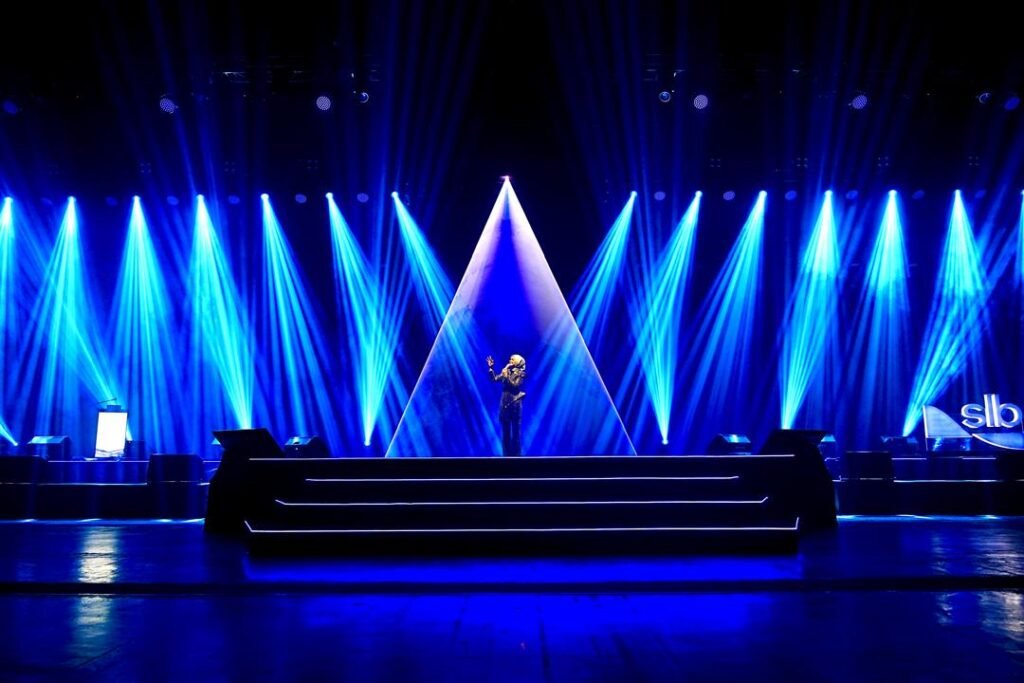
Lighting design plays a pivotal role in shaping the atmosphere and overall experience of live events. It serves not just as a means of visibility but also as a powerful tool for enhancing the emotional impact and aesthetic appeal of performances. Different types of lighting, including stage and automated lighting, contribute significantly to audience engagement and perception. For instance, stage lighting is often strategically positioned to highlight key performers while creating varying moods throughout a performance. The manipulation of light intensity, color, and focus can transform a simple space into a dynamic environment, captivating the audienceโ€™s attention and setting the tone for the event. Moreover, automated lighting systems have revolutionized the way events are produced. These advanced setups allow for greater flexibility and creativity, enabling designers to execute complex lighting sequences with precision. The integration of technology in lighting design not only streamlines the production process but also enhances visual storytelling. For example, changing the color and intensity of lights in synchronization with the music can evoke stronger emotional responses from the audience, enriching their overall experience. In addition to creating mood and atmosphere, effective lighting design also works in conjunction with other audio visual elements. Sound, visuals, and lighting must be harmonized to produce a cohesive experience. This interplay allows for enhanced storytelling, where lighting accents sound effects and visuals, effectively guiding the audience’s reactions and emotions. When these elements are aligned, the audience is more likely to be immersed in the narrative unfolding before them. Thus, lighting design is not merely a supplementary component; it is essential for the successful delivery of any live event. Related reading The Importance of Proper Lighting for Events The Importance of Audio Visual Lighting in Event Production Stage Lighting: The Art of Illumination in Live Performances Ready to get started? Browse the Pro Shop, explore Pro Hire options, or request a quote.

The Importance of Lighting Design in Events Read More ยป

Understanding Audio Visual Equipment

Understanding Audio Visual Equipment

Audio visual equipment plays a pivotal role in creating engaging experiences across various settings, including corporate events, educational environments, and social gatherings such as weddings. At the core of audio visual technology are three essential components: sound systems, projectors, and display technologies, each contributing significantly to the overall experience. Sound systems are fundamental in ensuring clear and impactful audio. They encompass a range of devices, including microphones, speakers, and amplifiers, which work together to deliver optimal sound quality. In a corporate presentation, for instance, a quality sound system enhances the clarity of the speakerโ€™s voice, ensuring that the message is effectively conveyed to all attendees, regardless of the venue size. Likewise, in a wedding scenario, well-placed sound systems can capture moments such as speeches and toasts, rendering them memorable for both the couple and their guests. Projectors and display technologies bring visual elements to life. Projectors are utilized to project images and videos onto screens, while display technologies encompass televisions and LED screens. This combination enables the presentation of multimedia content, transforming traditional meetings or ceremonies into visually immersive experiences. The latest projectors offer high-definition resolutions, ensuring that visuals are not only engaging but also sharp and clear, enhancing the overall aesthetic. Compatibility between these devices is crucial for seamless operation. When integrating various audio visual components, it is vital to consider their compatibility to avoid technical issues during critical moments. Effective AV integration ensures that all elements work harmoniously, allowing for smooth transitions between sound and visuals, which is vital in maintaining audience engagement. By understanding the functionalities of these essential audio visual equipment pieces, event organizers can create memorable experiences that captivate attendees, ensuring that every event is executed to perfection. Related reading The Importance of Lighting Design in Events The Evolution of Sound Systems in Event Production Key AVL Equipment for a Corporate Event Ready to get started? Browse the Pro Shop, explore Pro Hire options, or request a quote.


Understanding Audio Visual Equipment Read More ยป

Interactive Displays: Engaging Audiences in Real-Time

Interactive Displays: Engaging Audiences in Real-Time

Interactive displays are changing the way audiences engage with content at events. These displays allow attendees to interact with digital content in real-time, creating a more personalized and immersive experience. Whether it’s a touch screen, a virtual reality station, or an augmented reality experience, interactive displays are a powerful tool for capturing audience attention and encouraging participation. Event organizers are increasingly incorporating interactive displays into their productions to create memorable experiences. By allowing attendees to engage directly with content, interactive displays can enhance brand awareness, facilitate learning, and make events more dynamic and engaging. Related reading The Role of LED Displays in Modern Events Video Production: Bringing Stories to Life Innovations in Live Event Technology Ready to get started? Browse the Pro Shop, explore Pro Hire options, or request a quote.
Interactive Displays: Engaging Audiences in Real-Time Read More ยป

The Role of LED Displays in Modern Events

The Role of LED Displays in Modern Events

LED displays have revolutionized the way visual content is presented at events. These displays offer bright, clear, and vibrant images that can be seen from a distance, making them ideal for large venues and outdoor settings. LED displays are commonly used for stage backdrops, video walls, and even interactive exhibits, providing a dynamic way to engage audiences. One of the key advantages of LED displays is their flexibility. They can be customized to fit any size or shape, making them suitable for a wide range of applications. As technology continues to advance, LED displays are becoming more energy-efficient and capable of delivering even higher resolution, making them a staple in modern event production. Related reading Interactive Displays: Engaging Audiences in Real-Time Top AVL Trends to Look Out for in 2024 Innovations in Live Event Technology Ready to get started? Browse the Pro Shop, explore Pro Hire options, or request a quote.

The Role of LED Displays in Modern Events Read More ยป

Projection Mapping: Transforming Spaces with Visual Art

Projection Mapping: Transforming Spaces with Visual Art

Projection mapping is a cutting-edge technique that transforms ordinary surfaces into dynamic visual displays. By projecting images, animations, and videos onto buildings, stages, or even products, projection mapping creates immersive environments that captivate audiences. This technology has become increasingly popular in event production, offering endless possibilities for creativity and innovation. Whether it’s a product launch, a live performance, or an art installation, projection mapping can turn any space into a canvas for visual storytelling. The ability to customize projections to fit specific surfaces and synchronize them with audio and lighting effects makes projection mapping a versatile tool for creating unforgettable experiences. Related reading Innovations in Live Event Technology The Role of LED Displays in Modern Events Top AVL Trends to Look Out for in 2024 Ready to get started? Browse the Pro Shop, explore Pro Hire options, or request a quote.

Projection Mapping: Transforming Spaces with Visual Art Read More ยป

Video Production: Bringing Stories to Life

Video Production: Bringing Stories to Life

Video production is a powerful tool in event production, capable of bringing stories to life through visuals. Whether it’s a promotional video, a live stream, or a multimedia presentation, video production allows event organizers to engage audiences in a dynamic and memorable way. High-quality video content can capture the essence of an event, convey important messages, and create lasting impressions. The success of video production lies in the collaboration between creative directors, videographers, and editors who work together to craft a compelling narrative. With the right equipment and expertise, video production can elevate any event, making it more impactful and engaging for the audience. Related reading Interactive Displays: Engaging Audiences in Real-Time The Role of LED Displays in Modern Events The Evolution of Sound Systems in Event Production Ready to get started? Browse the Pro Shop, explore Pro Hire options, or request a quote.

Video Production: Bringing Stories to Life Read More ยป

The Evolution of Sound Systems in Event Production

The Evolution of Sound Systems in Event Production

Sound systems have evolved significantly over the years, becoming more sophisticated and capable of delivering high-quality audio in a variety of settings. From large-scale concerts to intimate corporate meetings, the quality of the sound system can greatly affect the audience’s experience. Clear, powerful audio ensures that every word and note is heard as intended, creating a more immersive experience. Today’s sound systems are not just about volume; they focus on clarity, balance, and precision. With advancements in technology, sound engineers can now create customized audio solutions that cater to the specific acoustics of a venue. This evolution in sound systems has made it possible to deliver exceptional audio experiences across different event types and sizes. Related reading Understanding Audio Visual Equipment Video Production: Bringing Stories to Life Why AV Integration is Key for Seamless Events Ready to get started? Browse the Pro Shop, explore Pro Hire options, or request a quote.

The Evolution of Sound Systems in Event Production Read More ยป

Shopping Cart
×


Scroll to Top